
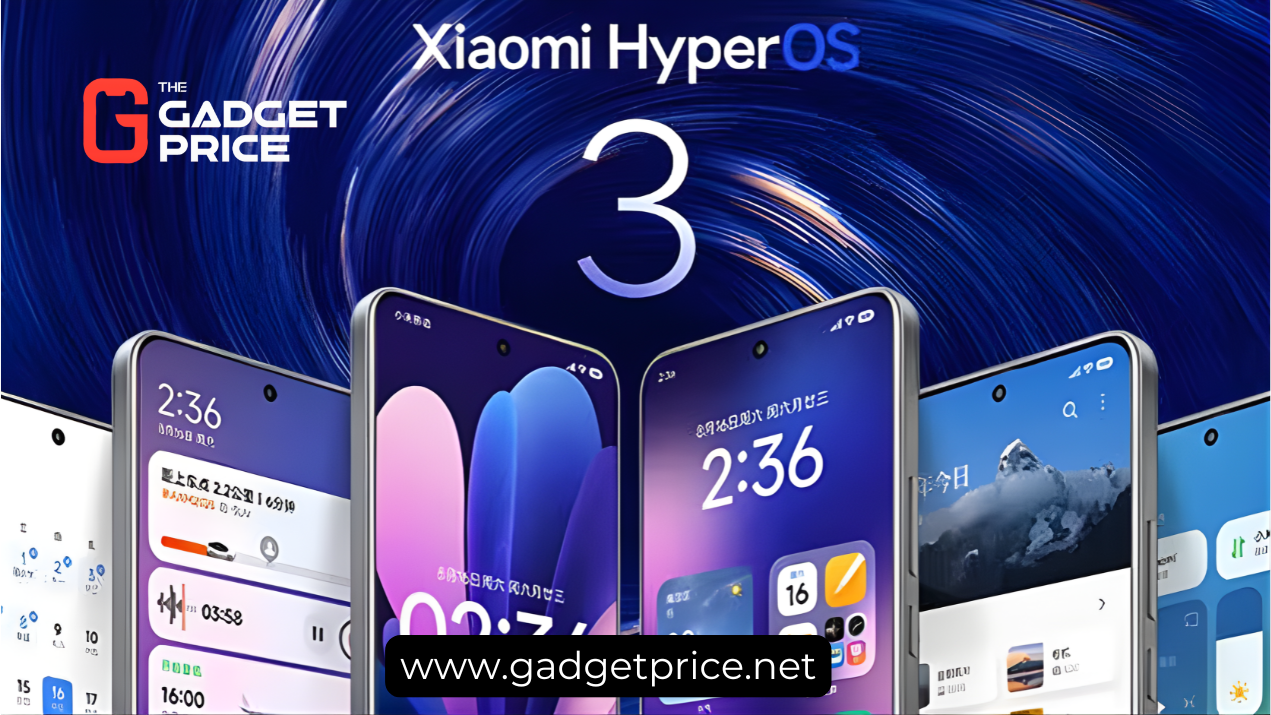
Xiaomi is about to take the next major step in its software journey with HyperOS 3 coming to India. Built on Android 16, this major software update activities a new design, smarter and faster AI features and better integration with other devices. Having teased the update through its Indian channels, Xiaomi has officially confirmed that HyperOS 3 will be launched “soon” in India.
HyperOS 3 is Xiaomi’s upcoming operating system based on Android 16. It will leverage the existing HyperCore technology – a self-developed layer that the company claims reduces CPU load by approximately 4% and improves energy effectiveness by nearly 10%.
Below are some of the key themes of HyperOS 3:
Performance and Efficiency – More optimized animations, minimized frame loss and better resource management.
AI-Powered Features – HyperOS 3 features AI-driven wallpapers, smarter writing, and on-screen contextual awareness.
New-Style Notifications – Super Island is introduced, a living notification area – it’s sort of like Apples Dynamic Island – where live activities like calls, timers, or charging status can be displayed.
Privacy and Security – Stronger encryption, dual authentication for multi-device sign-on, and better data security.
Ecosystem Connection – Better connectivity between Xiaomi devices, even potentially new cross-platform ecosystem support (For example, viewing photos from your Xiaomi phone on a Mac or iPhone).
What’s New for India
The launching of HyperOS 3 for India seems significant for multiple reasons:
Local Launch – Xiaomi has teased the HyperOS 3 launch for India, apparently signifying a staged roll out with a launch expectation timeframe of perhaps a few months (embroider).
1st Make Models Qualified – Confirmed builds for a few product make models in India are:
- Xiaomi 15 Ultra – OS3.0.2.0.WOAINXM (Android 16)
- Xiaomi 15 – OS3.0.1.0.WOCINXM
- POCO F7 – OS3.0.2.0.WOLINXM.
- POCO M6 Plus 5G / Redmi 13 5G: OS3.0.7.0.WNUINXM.
Beta Program: Xiaomi has begun a closed beta program in India for a small group of users to test HyperOS 3 and collect feedback.
Update Size & Timing: Due to reports that the update is large (7.3–7.6 GB), users should check for a reliable Wi-Fi connection, and review their free storage.
Staggered Rollout: Reports suggest that the rollout will gradually happen with more devices (including mid-range Redmi and POCO devices) receiving the software in future updates.
Why HyperOS 3 Matters for Indian Users
- Improved User Experience: With more than 100 enhanced animations, easier transitions, the update promises a more responsive, seamless interface.
- Smarter AI: The AI assistant (HyperAI) now contextualizes what’s on screen, summarizes, suggests, and adjusts intelligently.
- Integrated Devices: With Xiaomi’s trove of connected devices in India (smartphones, tablets, wearables, and home devices), HyperOS 3 makes it easier for devices to work together reliably.
- Better Security: For those of us worried about safety regarding our personal data, the improved encryption and multi-device authentication are good additions.
- Visual Appeal: AI-generated dynamic wallpapers, an updated lock screen, refreshed icons – a nice touch for those that appreciate aesthetics and personalization.
Potential Challenges and Considerations
- Rollout Speed: Similar to any other significant update, HyperOS 3 will not reach all devices at once. Some lower/mid-range devices may take longer to reach the update.
- Storage Requirements: Given the size of the update, users with limited onboard space may need to clear storage.
- Feature Parity: There is a risk that not all features from the global or China versions are included in the Indian builds; some commentators have indicated a “toned-down” version may come for India.
- Stability of Beta: People using the early betas are likely to report bugs and slow performance — this is expected when using early betas.
Outlook: What’s Next
- Wider Rollout: By early 2026, Xiaomi is likely to expand HyperOS 3 to further Redmi and POCO devices, once they’ve rolled it out to their first group.
- Additional Features: More AI-driven add-ons are expected as HyperConnect continues to improve the ecosystem.
- User Feedback: The first closed beta’s user feedback will greatly influence the India stable release version as Xiaomi will certainly modify many features based on what comes out from users.
Conclusion
HyperOS 3 signifies a significant shift for Xiaomi in India—this is not just a visual experience, but a deeper rethinking of how devices are interconnected together, how AI is experienced, and how an ecosystem is, ultimately, fluid and connected. For Indian users of Xiaomi, Redmi, and POCO, it could mean a new era of smarter, more engaging, and more personalized mobile experiences.
FAQ for HyperOS 3 India: A New Dawn for Xiaomi’s Software Ecosystem
HyperOS 3 is Xiaomi’s latest operating system built on Android 16, offering improved performance, AI features, and a redesigned user interface.
Yes. Xiaomi has officially confirmed that HyperOS 3 is coming to India, with a gradual rollout starting on select Xiaomi, Redmi, and POCO devices.
The first batch includes:
Xiaomi 15 Series
Xiaomi 15 Ultra
POCO F7
POCO M6 Plus 5G
Redmi 13 5G
More Redmi and POCO models are expected to receive the update in phases.
HyperOS 3 is based on Android 16.
Key features include:
Super Island (dynamic notifications)
AI wallpapers and writing tools
Improved performance and animations
Better privacy and security
Enhanced multi-device ecosystem features
AI-powered contextual suggestions
The update size is typically 7.3–7.6 GB, depending on the device model.
Rollout is phased. Flagship Xiaomi models get it first, followed by Redmi and POCO devices. Beta testing has already begun in India.
Yes. The new HyperCore optimization engine reduces CPU load and helps maintain more stable frame rates during gaming.
No. Xiaomi claims improved power management and around 10% better energy efficiency compared to earlier versions.
Yes. Some global features may be toned down or rolled out later, but core features like Super Island and AI tools are included.
It’s recommended to wait for the official OTA update for stability and security. Manual flashing is only for advanced users.
Some older mid-range models may receive the update later or get limited features. Xiaomi will release a full compatibility list gradually.
The stable version is rolling out device-by-device. Beta users may still encounter bugs.
Yes. Due to the large update size and system-level changes, it is recommended to back up your data before updating.
Yes. All Indian versions of HyperOS 3 fully support Google apps and services.