
Each year, global attention turns to the Nobel Peace Prize as the announcement draws near. In 2025, the spotlight is especially intense. With growing global conflicts, humanitarian crises, and high-profile nominations (including political figures), the Peace Prize is under more scrutiny than ever. This article presents the research, context, and speculation around the Nobel Peace Prize 2025.
realme 15 Pro 5G Game of Thrones Limited Edition: The Ultimate Collector’s Smartphone of 2025
1. History & Purpose of the Nobel Peace Prize
Alfred Nobel’s 1895 will established five prizes to be awarded annually for contributions to humanity: physics, chemistry, physiology/medicine, literature, and peace. The Nobel Peace Prize is unique among them because it is administered separately in Norway (while others are managed from Sweden).
The will states the Peace Prize is awarded to “the person who shall have done the most or the best work for fraternity between nations, for the abolition or reduction of standing armies, and for the holding and promotion of peace congresses.” Over time, interpretations have widened to include human rights, conflict mediation, disarmament, and humanitarian efforts.
Historically, the Peace Prize has recognized both individuals (e.g. Martin Luther King Jr., Malala Yousafzai) and organizations (e.g. International Committee of the Red Cross, UN agencies). Sometimes, it’s contentious—awards to political leaders or organizations in conflict zones often attract criticism.
2. How the Nobel Peace Prize is Decided
Eligibility & Nominators
- Nominations must be submitted by January 31 of the award year.
- Not everyone can nominate. Eligible nominators include:
- University chancellors, professors (in relevant fields)
- Members of national assemblies
- Heads of international courts
- Past laureates
- Members of the Norwegian Nobel Committee and advisors
- Self-nomination is not allowed.
- The nominators’ identities are kept secret for 50 years.
Selection Process
- The Norwegian Nobel Committee, appointed by the Norwegian Parliament, receives nominations.
- They review, narrow down to a shortlist, and eventually select a laureate (or laureates) by majority.
- The decision is final and not subject to appeals.
- The name is announced publicly (typically in October), and the award is given on December 10, the anniversary of Alfred Nobel’s death.
This year, there are 338 nominations (244 individuals + 94 organizations). This count is higher than in recent years.
3. Timeline for the 2025 Prize
| Event | Date / Time |
|---|---|
| Nomination Deadline | January 31, 2025 |
| Announcement | 10 October 2025, 11:00 CEST (2:30 PM IST) |
| Award Ceremony | 10 December 2025, Oslo, Norway |
All the other Nobel categories (Medicine, Physics, Chemistry, Literature, Economics) are announced in early October in sequence, and the Peace Prize is often one of the latter announcements.
4. The 2025 Candidate Field & Trends
- As mentioned, there are 338 candidates: 244 individuals and 94 organizations.
- The mix of organizations has grown in relevance, especially given global humanitarian crises (e.g. war zones, refugee flows).
- Names of political leaders being nominated is controversial because their actions are easier to question.
- Many nominees are “floating names” used by nominators to draw attention to causes, even if their chance of winning is low.
Over time, the balance between symbolic awards (making a statement) versus operational awards (honoring real peace work) has shifted. In 2025, that tension is especially strong.
5. Major Speculated Contenders
Here are some of the names most frequently discussed in media and analyses:
| Contender | Why They’re in Discussion | Challenges / Skepticism |
|---|---|---|
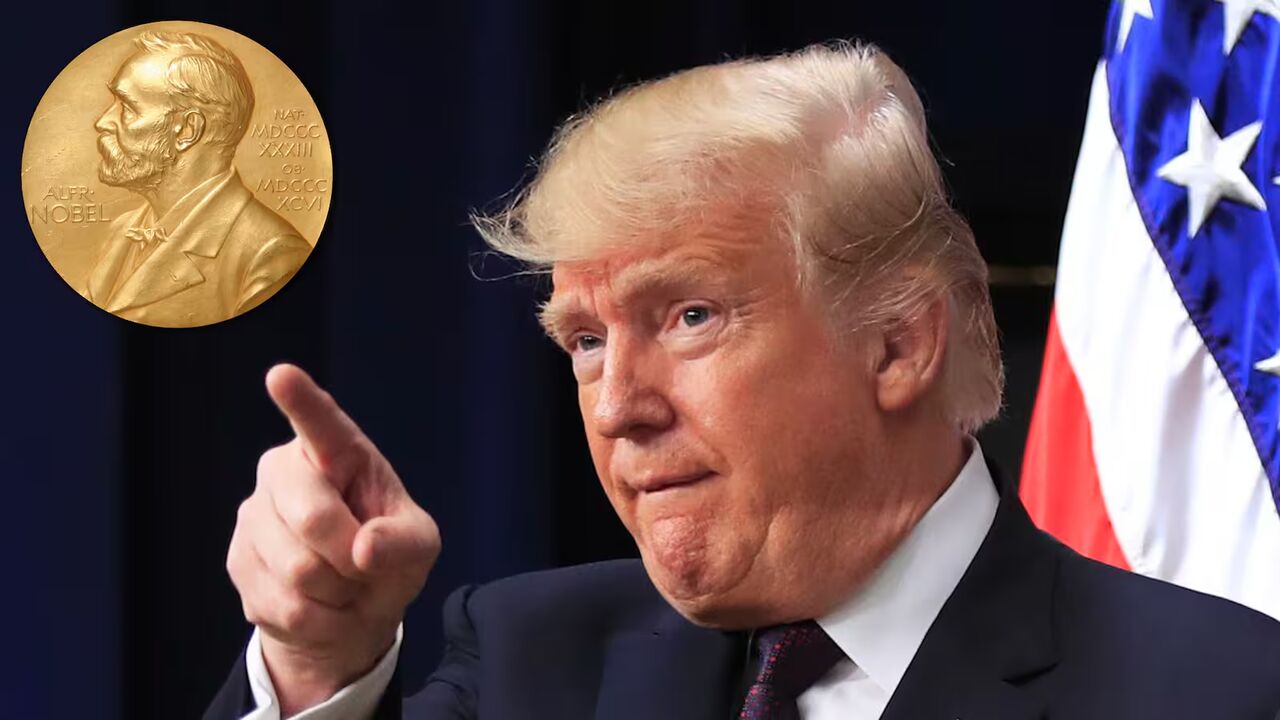
| Donald Trump | He has publicly lobbied for the prize and has received nominations from multiple states/countries (e.g. Malta’s foreign minister) for participating in ceasefire/brokerage efforts. | Critics argue many of his policies or rhetoric conflict with peace objectives; awarding him could damage the legitimacy of the prize. |
| Sudan’s Emergency Response Rooms (ERR) | Seen by some as a top organizational contender due to high-impact humanitarian work in conflict zones. | Operational constraints, recognition, and safety in conflict zones raise doubts. |
| United Nations bodies / agencies (e.g. UNHCR) | Ever-present in peace & refugee work; strong institutional reputation. | Faces criticism about bureaucracy, failures in past crises. |
| Yulia Navalnaya | As the widow of Alexei Navalny, she has become a voice for human rights in Russia. | Her influence and direct impact are debated, and awarding her could provoke retaliation. |
| NGOs like Doctors Without Borders, Reporters Without Borders | Longstanding peace / humanitarian credentials. | Large field; many NGOs have already been awarded previously. |
| Climate / activist groups (like Greta Thunberg) | Raising awareness about climate-linked peace and security issues. | Some argue these are indirect contributions to “peace,” rather than traditional conflict resolution. |
Prediction markets and media analyses are assigning varying odds, but many see ERR and political names (like Trump) as headline contenders.
Instagram Cool Usernames for Boys: Finding Your Perfect Vibe
6. The Role of the Norwegian Nobel Committee
The five-person Norwegian Nobel Committee is central. This year’s members include Jørgen Watne Frydnes, the chair, who at 41 is the youngest-ever to hold that role.
The committee is elected by Norway’s parliament (Storting), but members can’t be sitting members of parliament. Their political balance tends to reflect party proportions.
The committee sets internal procedures, generates shortlists, debates substantial objections, and ultimately votes. Their decisions are final and secret (for 50 years). The legitimacy and independence of the committee often becomes a point of debate, especially when controversial nominations are in play.
7. Political & Ethical Debates Surrounding 2025
- Credibility & legitimacy: If a political figure with a controversial record wins, many will question whether the Peace Prize is becoming politicized.
- Timing and influence: Some argue that announcing peace awards during ongoing conflicts can influence politics; others say it should remain independent.
- Safety & acceptance: Laureates from conflict zones may face threats; also, governments may reject or criticize a laureate in their region.
- Past controversies: Awards to Henry Kissinger, Arafat, Yasser Arafat, and others have been widely debated. Some see them as necessary choices; others see them as betrayals of Nobel’s intention.
- Secrecy and transparency: The 50-year secrecy rule is intended to protect processes but also diminishes accountability.
8. Comparisons to Past Peace Laureates
- In many years, the Nobel Peace Prize has gone to mediators, peace treaty signers, or campaigners against injustice.
- Sometimes, the prize makes symbolic statements — for instance, awarding it to a lesser-known activist to spotlight a cause.
- Rarely does it go to sitting national leaders; exceptions over decades have drawn both praise and condemnation.
- The 2025 field seems more polarized: with strong names on both humanitarian/NGO side and the political side.
9. What Winning Would Mean
- For the laureate: International prestige, platform, credibility, resources.
- For peace efforts: Could catalyze momentum in negotiations, diplomacy, mediation.
- For the Nobel institution: It tests the prize’s perceived neutrality, relevance, and moral authority.
- For global politics: Depending on winner, could shift narratives, embolden or embarrass regimes.
10. After the Announcement: Repercussions & Reactions
- Media and public reaction: Strong praise or fierce backlash, sometimes both.
- Diplomatic consequences: States may embrace or boycott the laureate.
- Security risks: Laureates from unstable regions may face increased threats.
- Legacy and follow-through: Will the laureate’s work accelerate post-award? Some winners fade; others turn it into long-term change.
11. How to Follow the 2025 Nobel Peace Prize
- Official site & live stream: The Nobel Prize site and Nobel Peace Center will host live updates and broadcasts.Nobel Peace Prize
- Media outlets & analysis: Reuters, Al Jazeera, and major global newspapers will provide coverage and context.
- Social media & Nobel forums: Many commentators and experts weigh in during and after the announcement.
12. Open Questions & Uncertainties
- Exactly which nominee will emerge?
- Will the committee favor a symbolic vs. operational winner this year?
- Can the Peace Prize survive political pressures without losing legitimacy?
- How will the laureate manage expectations post-award?
- Will this award influence future nominations and strategies?
Frequently Asked Questions (FAQs)
- Who is eligible to be nominated for the Nobel Peace Prize?
Only individuals or organizations can be nominated — nominators must be from a recognized group (professors, former laureates, parliamentarians, etc.). Self-nomination is prohibited. - Why is the Nobel Peace Prize awarded in Norway?
Alfred Nobel’s will specified that the Peace Prize should be managed by a Norwegian body (the Norwegian Nobel Committee). Other Nobel Prizes are handled by Swedish bodies. - Can the Nobel Peace Prize be awarded posthumously?
Generally no. If a laureate dies between the nomination and the announcement, the committee may still award it, but otherwise the rules discourage posthumous awards. - Why is there secrecy around nominations?
Nominations and committee deliberations are kept secret for 50 years to protect nominators, individuals, and the integrity of deliberations. - How many people can win the Peace Prize in a given year?
Up to three individuals or one organization or a combination thereof. - What has changed in 2025 compared to recent years?
The sheer number of nominations, high-profile political nominations, intensifying global conflicts, and greater scrutiny of the committee’s independence make 2025 especially pivotal.
Zoho Arattai App: Honest Review, Features, Pros & Cons (2025 Guide)
Conclusion & Outlook
The Nobel Peace Prize 2025 is poised to be one of the more contentious and watched awards in recent history. With political heavyweights, humanitarian organizations, activists, and global crises all in the mix, the decision will carry symbolic as well as real-life implications.
Regardless of who wins, 2025 will test the boundaries of what we expect from a peace prize: diplomacy, integrity, vision, and courage. After October 10, when the laureate is revealed, the real work begins — for the winner, the Nobel committee, and the global community.